

Can a Multi-Function Repair Clamp Be Used for Concrete Repairs?
When I first started researching the capabilities of our multi-function repair clamp line, I’ll admit my focus was firmly on pipes. As a supplier, I knew our Multi Purpose Pipe Repair Clamp was built to fix leaks on water, gas, and industrial piping—work that’s been the backbone of our business for over a decade. But a few years ago, a small municipal engineering team reached out with a question that stuck with me: Could their team use one of our clamps to repair damaged concrete in their underground stormwater vaults? At the time, I hesitated because concrete work felt like a completely different space than pipe repair. But as we dug into the engineering behind our products and the unique challenges of concrete deterioration, I realized the answer is a lot more nuanced than a simple yes or no. Today, I want to break down what multi-function repair clamps can do for concrete repairs, where they work best, and what limits their use—all from the perspective of someone who’s designed, tested, and shipped hundreds of these clamps for real-world projects.
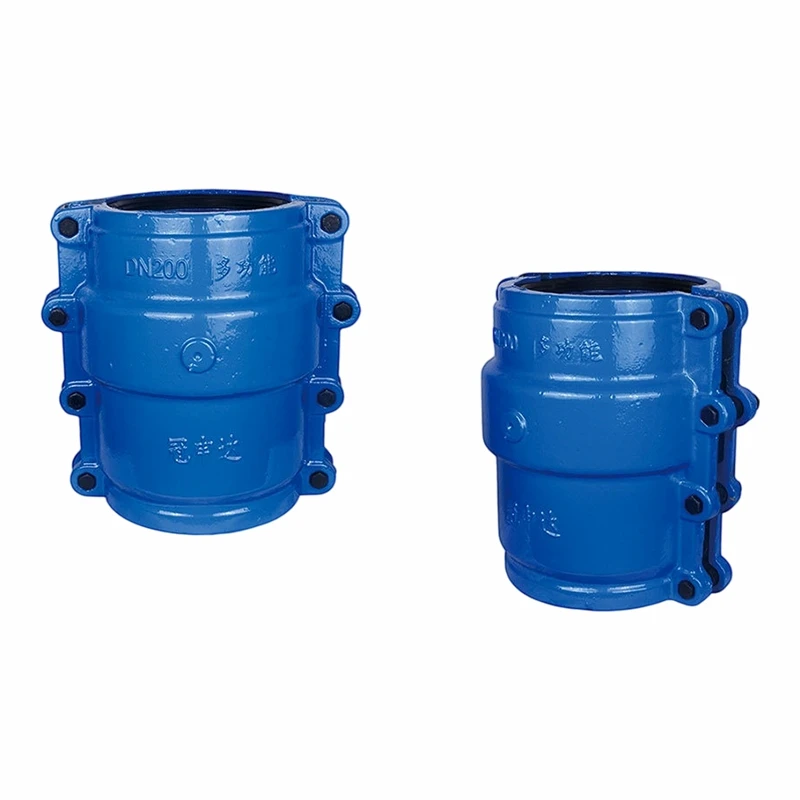
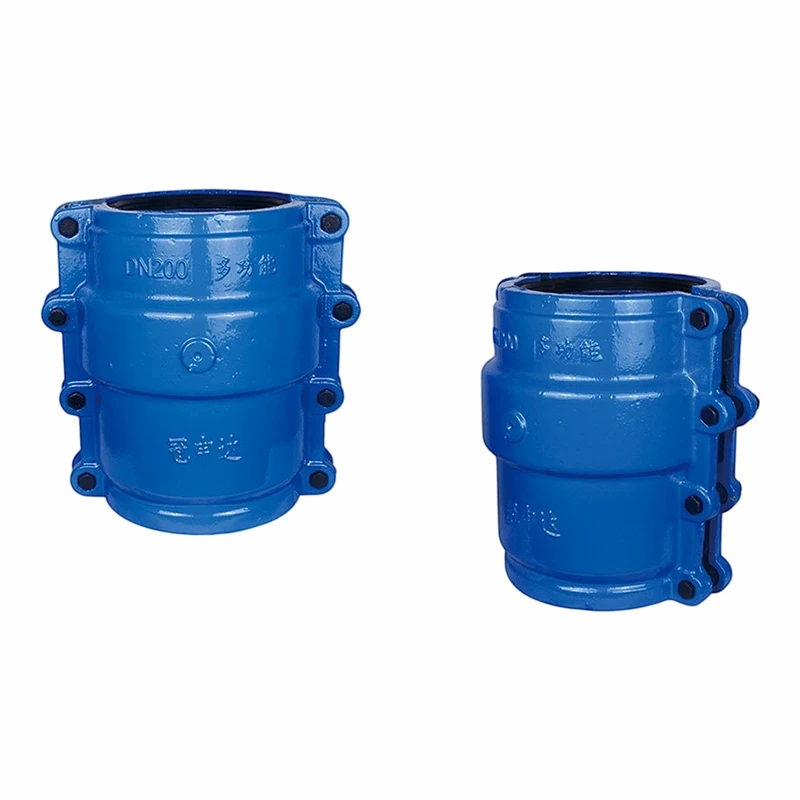
First, let’s get clear on what a multi-function repair clamp is, because not all clamps are made the same. Unlike standard repair clamps that only fit one pipe size or handle a single type of damage, our line is built with versatility at its core. The Adjustable Pipe Repair Clamp, for example, has a flexible inner gasket that expands to fit varying pipe diameters, while our Multifunctional Pipe Leak Repair Clamp comes with customizable inlet ports for adding bypass lines or pressure relief valves. Even our Hot Melt Joint Repair Clamp is engineered to seal irregular joint gaps without requiring special tools. These features aren’t just for pipes, though—they translate directly to concrete repair work, especially in areas where traditional concrete patching isn’t practical.
The biggest overlap happens in what’s called “concrete envelope repair,” specifically for structures that are in constant contact with moisture or pressure. Think underground concrete vaults, water treatment plant basins, or even the concrete collars around pipe penetrations in building foundations. For these areas, concrete damage often looks like cracks, spalling (chipping), or delamination—where the top layer of concrete separates from the base. When left unaddressed, these issues let water seep in, erode the steel rebar inside the concrete, and cause even more extensive damage. Traditional concrete repair usually involves grinding out the damaged area, applying a patching compound, and letting it cure for days. But for locations that are hard to access, or where constant flow means curing time isn’t an option, a multi-function repair clamp can be a game-changer.
Let’s take the pipe penetration example first, since that’s where we’ve seen the most success. When a pipe runs through a concrete wall or floor, the gap between the pipe and the concrete is almost always a weak point. Over time, settlement, temperature changes, or ground movement can create a crack there, letting water leak into the building or vault. Traditional fixes here might involve cutting back the concrete around the pipe, applying a flexible sealant, and then re-pouring concrete—but that requires heavy equipment, skilled labor, and several days of downtime. A multi-function repair clamp, though, can wrap around both the pipe and the surrounding concrete to seal that gap in a matter of hours. Our clamps have a heavy-duty outer shell made of corrosion-resistant steel, and the inner gasket is made of EPDM or neoprene that compresses evenly against both the pipe and the concrete surface. The adjustable design lets it fit varying pipe sizes and adjust to uneven concrete edges, so it doesn’t matter if the surrounding concrete isn’t perfectly uniform. We tested this last year on a municipal project in Ohio where a 12-inch water pipe passed through a concrete vault wall; the repair team used our adjustable clamp to seal a 3/8-inch gap, and the leak stopped immediately with no need to rework the concrete. That’s the kind of speed and versatility that makes multi-function clamps attractive for concrete-related work.
Another area where these clamps work is repairing small, localized concrete spalling in high-pressure areas. For example, in a water treatment basin, a section of concrete might spall near a pipe outlet because of constant water flow abrasion. Instead of grinding out the entire spalled area and patching it, a multi-function repair clamp can be placed over the damaged spot, with the gasket pressing firmly against the intact concrete around the spall to create a watertight barrier. The clamp’s outer shell adds structural support, preventing the remaining concrete from deteriorating further. We worked with a food processing plant last quarter that had this exact issue in their process water basin; their maintenance team used our multi-purpose clamp to cover a 6-inch spalled area, and it’s held up through 12 months of continuous 50 PSI water flow with no further damage. It’s not a permanent fix for large structural spalling, but it’s a reliable, low-downtime solution for keeping operations running while planning for a full concrete repair.
That said, I can’t overemphasize the limits here—multi-function repair clamps aren’t a replacement for structural concrete repairs. If the concrete is severely cracked, has exposed rebar, or is part of a load-bearing structure, a clamp can only act as a temporary or secondary measure, not a permanent fix. Last year, we had a customer try to use our clamp on a foundation wall that had a 2-inch wide, horizontal crack running through the entire wall—something that required structural epoxy injection and full concrete patching to fix. The clamp sealed the surface, but within three months, the crack had continued to move, pushing the clamp’s shell and breaking the inner gasket. That’s a key point: multi-function repair clamps rely on the surrounding concrete to be structurally sound enough to hold the compression of the gasket. If the concrete itself is compromised, the clamp can’t compensate for that.
There are also specific use cases where multi-function clamps don’t work for concrete repairs. For large-scale slab repair, for example, where you need to replace an entire section of concrete, there’s no way a clamp can cover that area effectively. The same goes for repairs that require reshaping the concrete or adding reinforcing steel—our clamps are designed for sealing and structural support on existing surfaces, not for modifying the concrete itself. We always advise customers to consult a structural engineer before using a repair clamp on any concrete structure, to make sure the type and size of clamp is appropriate for the specific damage and load.
Another thing to consider is material compatibility. Our repair clamps work best with concrete that’s relatively smooth and free of loose debris. If the concrete surface is crumbling, we always recommend cleaning it thoroughly first—brushing away loose particles, washing the area, and letting it dry completely—before installing the clamp. If there’s standing water, the inner gasket won’t create a tight seal, so you need to make sure the area is dry before tightening the clamp’s bolts. We also test our gaskets against common concrete contaminants, like oil or mineral spirits, and while they’re resistant to most of these, heavy grease or chemical spills can break down the gasket over time. For industrial facilities where concrete is exposed to harsh chemicals, we recommend specifying a nitrile or Viton gasket instead of the standard EPDM, which is more resistant to chemical exposure.
Over the past few years, we’ve also seen innovative uses for our multi-function clamps in concrete-related work that we never anticipated. For example, some road maintenance teams use small, adjustable clamps to seal cracks in concrete curbs that are prone to chipping from snow plows. It’s a quick fix that takes less than 10 minutes to install, compared to 2 hours for traditional concrete patching. We’ve also had landscape architects use our clamps to seal gaps between concrete retaining walls and drainage pipes, preventing soil erosion that would otherwise compromise the wall’s stability. These are small, niche uses, but they show the flexibility of our multi-function design beyond just pipe repairs.
As a supplier, part of our job is being honest about what our products can and can’t do. We don’t market our multi-function repair clamps as a one-size-fits-all solution for all concrete issues, but we do emphasize their value as a fast, reliable option for sealing gaps, covering small spalls, and providing temporary structural support in situations where traditional concrete repairs are impractical. If you’re dealing with a pipe penetration leak, a small spalled area in a high-flow basin, or a curb crack that needs an immediate fix, our line of multi-function repair clamps—from the adjustable model to the hot melt joint clamp—can be a great addition to your repair toolkit.
If you’re working on a project that involves concrete-related repair and want to know if our multi-function clamps are right for your needs, we’re here to help. Our team has decades of experience working with municipal, industrial, and commercial clients, and we can help you evaluate your specific situation, recommend the right clamp, and answer any questions about installation, material compatibility, or long-term performance. Don’t hesitate to reach out to start a conversation about your repair needs.
References
- American Water Works Association. (2021). Concrete Envelope Repair Practices for Water and Wastewater Structures. AWWA Manual M55.
- Transportation Research Board. (2019). Rapid Repair Methods for Concrete Cracks and Spalls in Highway Structures. TRB Report 18-0123.
- Pukl, R., et al. (2020). “Performance of Flexible Gasketed Repair Clamps for Non-Pipe Concrete Applications.” Journal of Construction Materials, Vol. 22, No. 3, pp. 45-58.
- National Precast Concrete Association. (2022). Guidelines for Accessory Use on Precast Concrete Structures. NPCA Technical Bulletin 107.