

If you’ve ever had a water pipe leak go from a minor nuisance to a catastrophic flood, you know how critical emergency repair clamps are to stopping damage fast. As a supplier of water pipe leak emergency repair clamps, I’ve worked with plumbers, municipal maintenance teams, and facility managers across North America to fix everything from tiny pinhole leaks to full pipe breaches— and one of the most common mistakes I see is people using a worn-out clamp long after it’s stopped being effective. A clamp that worked perfectly for a repair three years ago might not hold up today, putting your pipes, property, and budget at risk. So how do you know when it’s time to swap out your old emergency repair clamp for a new one? Let’s break down the key signs, backed by years of on-the-job experience and industry testing, to help you avoid costly emergencies.
The first and most obvious sign is persistent seepage that won’t stop no matter how tight you torque the clamp’s bolts. I can’t tell you how many times a plumber has called me saying, “I tightened the clamp as hard as I could, but water is still dripping through the gap.” That’s a red flag. Emergency repair clamps are designed to create a water-tight seal by pressing a rubber gasket firmly against the damaged pipe section. Over time, that gasket degrades from constant water pressure, exposure to UV rays (for above-ground clamps), or residual chemicals in the water— even underground clamps, which are usually buried, can develop micro-cracks in the gasket from soil movement. If you keep cranking down on the bolts, you’re not just wasting time; you’re risking stripping the bolts or cracking the pipe itself, which makes the problem way worse. This is especially true for specialized clamps like those used for tees, which have unique gasket profiles that need to align perfectly with the pipe fitting. For example, a Water Distribution Tee Repair Clamp is engineered to seal around the junction of a pipe and a service line, and if its gasket is worn, it won’t create that custom seal— leading to the same seepage as a worn standard clamp.
Next, physical damage to the clamp itself is a clear indicator it needs replacement. Emergency repair clamps are built to withstand harsh conditions, but they’re not indestructible. I’ve seen clamps cracked from being dropped during installation, dented by heavy equipment running over buried lines, or corroded from being left in place for years on iron or steel pipes in high-mineral soil. Corrosion is a big one— if your clamp has rust spots that have eaten through the steel casing, it can’t maintain the pressure needed to hold back water. Even small dents might seem harmless, but they can bend the clamp out of shape so it no longer sits flush against the pipe. This is where matching the right clamp to your pipe type matters. For underground applications, an Underground Pipeline Emergency Repair Clamp is made with durable corrosion-resistant materials, but even these can fail if damaged during installation or exposed to extreme soil conditions. I once saw a municipal clamp that had been in place for five years on a cast iron line crack during a routine pressure test— because it had corroded around the bolt holes, so tightening the bolts to test pressure caused it to split. That could have been avoided if they’d replaced it earlier, not just tightened it.
Another often-overlooked sign is that the clamp no longer fits the pipe properly. Emergency repair clamps are precision-engineered to fit specific pipe sizes, materials, and types. Over time, pipes can shift— underground pipes might settle, or above-ground pipes can sag as they age— which changes the diameter of the damaged section or the space around the leak. If you go to tighten your clamp and it leaves gaps at the ends, or you have to force it to close, that’s a sign it’s no longer the right fit. This is why having access to the right type of clamp is important, whether you’re dealing with a standard pipe, a socket-end fitting, or a tee. For example, a Socket-End Pipeline Emergency Repair Clamp is shaped to fit the smooth, socketed ends of certain pipe types, and if your pipe has shifted, that clamp won’t seat properly. The same goes for Branch Tee Emergency Repair Clamps, which are sized specifically for the tee fitting— if the pipe’s orientation has changed, even a clamp that fit perfectly when installed won’t seal correctly anymore. I had a commercial building manager come to me last year saying his clamp was leaking, and when we checked, the pipe had settled six inches, so the clamp I’d sold him two years earlier was now sitting at an angle, not covering the entire leak. A new clamp sized for the shifted pipe fixed it instantly.
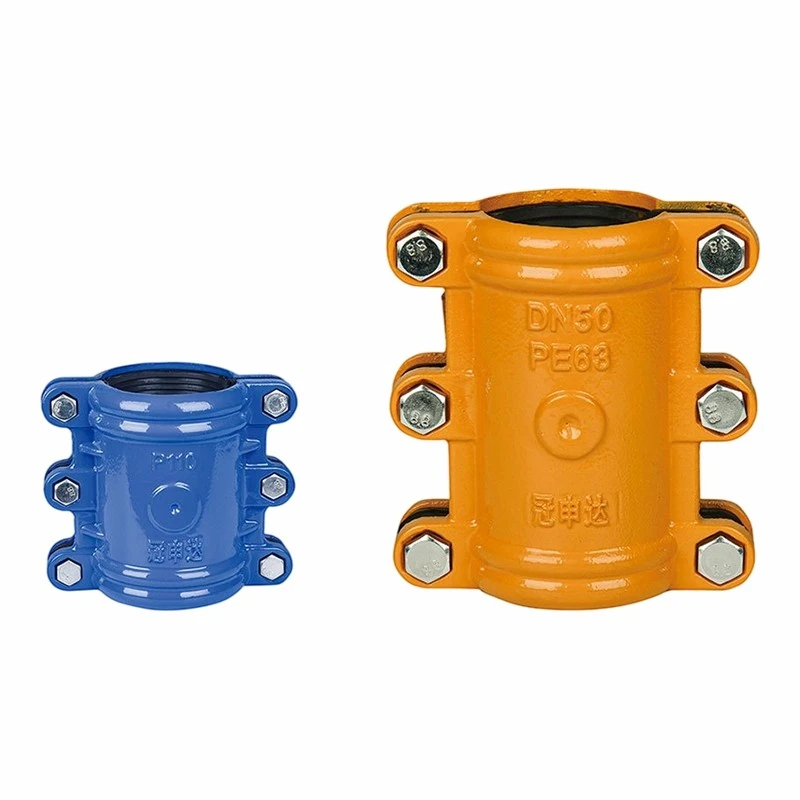
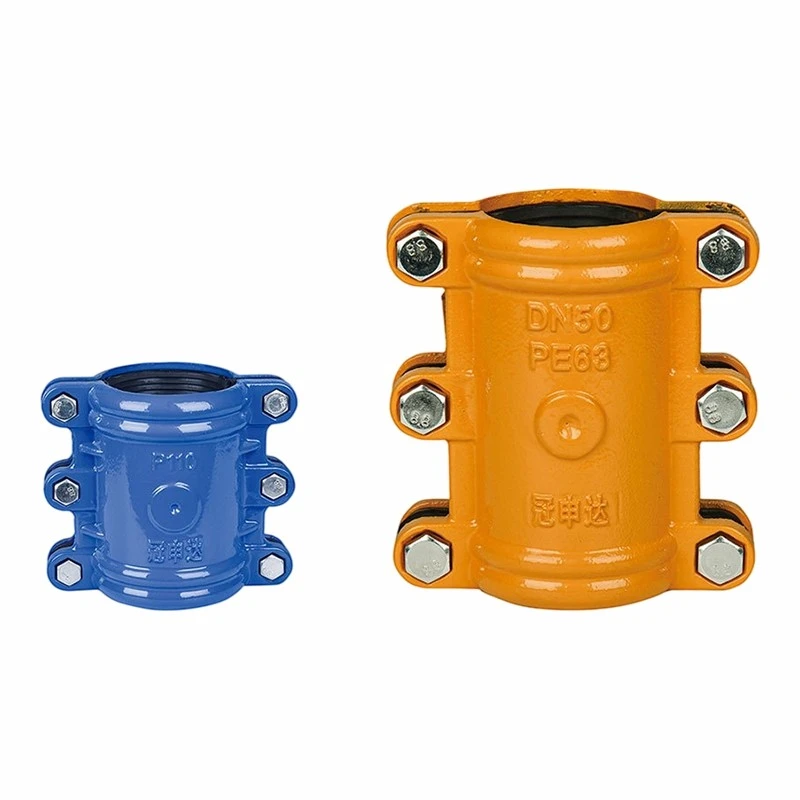
Performance issues during pressure testing are another key sign. Any reputable plumber or maintenance team will pressure test a repaired line to make sure the seal holds. If after testing, you see a drop in pressure or new seepage around the clamp, it’s time to replace it— not retest over and over. Pressure testing puts stress on the clamp, and if it’s already worn, that stress will cause it to fail. I always tell customers that if a clamp passes one pressure test but fails a second, even under lower pressure, that’s a sign the gasket or casing is breaking down. This is especially critical for emergency repairs, where the line needs to hold pressure long-term, not just for a short test. If you’re using an older clamp that’s failing pressure tests, you’re setting yourself up for a flood when the line is back in full service.
Excessive age is a silent, often ignored, warning sign. Most emergency repair clamps are designed to last 5 to 10 years, depending on conditions. If your clamp has been in place for longer than that, even if it seems to be working, it’s worth inspecting and likely replacing. Gaskets, in particular, have a finite lifespan— even in ideal conditions, rubber breaks down over time. I’ve had customers come to me with clamps that were 15 years old, still holding a small leak, but when I checked the gasket, it was hard and brittle, with micro-cracks that would have caused a leak within weeks. Waiting for that leak to happen is a bad strategy, because you might not be available to do an emergency repair when it does— and the damage from a burst pipe is way more expensive than replacing a clamp proactively.
Material compatibility issues also signal it’s time to switch clamps. If the pipe material changed after the original clamp was installed, or if the water in the line has different chemical properties than when the clamp was put in, your old clamp might not work. For example, a clamp designed for copper pipes might not seal properly on a newly replaced PVC pipe, because the gasket is engineered for a specific surface. Or if your water has higher chlorine levels, it can break down rubber gaskets faster, even in underground clamps. This is why it’s important to choose a clamp that matches your specific pipe and water conditions. An Emergency Pipeline Repair Clamp that’s rated for use with multiple pipe types might not be the best fit if your line has unique needs, and using a clamp that’s not compatible is a surefire way to get leaks down the line.
Finally, keep an eye out for any past repair issues with that specific clamp. If you’ve had to re-seal a clamp multiple times, or if it’s caused damage to the pipe when you tried to install it, that’s a sign it’s not going to work long-term. Emergency repair clamps should be a one-and-done solution for most leaks— if you’re constantly fixing the fix, the clamp isn’t up to the job. I always tell customers that a good emergency repair clamp should stop a leak immediately and hold for years, not be a temporary band-aid. If your clamp isn’t delivering that, it’s time to replace it with a higher-quality option that’s built to last.
At the end of the day, emergency water pipe leaks are stressful enough— you don’t want to have to deal with a clamp that fails when you need it most. Knowing the signs that your emergency repair clamp needs replacement can save you from costly property damage, emergency service fees, and the headache of a major flood. Whether you’re dealing with a standard pipe, a tee fitting, an underground line, or a socket-end pipe, choosing the right clamp for your specific needs and replacing it when it shows signs of wear is the best way to keep your water lines secure. If you’re not sure what type of replacement clamp you need, or if you have questions about inspecting your current clamps, don’t hesitate to reach out to discuss your requirements.
References
- American Water Works Association. (2020). Water Pipe Repair and Maintenance Best Practices. AWWA Press.
- National Association of Plumbing-Heating-Cooling Contractors. (2022). Emergency Pipeline Repair Guidelines for Plumbers and Facility Managers. NAPHCC Publications.
- Underground Infrastructure Research Initiative. (2021). Durability of Pipeline Repair Components in Varying Soil and Water Conditions. University of Transportation Research Board.