

Hey everyone, it’s Jake here from the team that makes flange leak repair clamps – those unsung heroes of industrial and plumbing work that no one thinks about… until a flange starts leaking and you’re scrambling to fix it fast. Today I’m tackling a question I get literally every week from contractors, plant managers, and even DIYers who’ve stared at a wonky flange gap and wondered: Can a flange leak repair clamp be adjusted for different flange gaps? Spoiler alert – yeah, it can, but it’s not a one-size-fits-all adjust, and there’s a lot more to it than just cranking a bolt harder. Let’s break this down like we’re chatting in a shop parking lot after a long day, no stuffy engineering jargon that makes your eyes cross.
First, let’s get on the same page about what we’re even talking about here. A flange leak happens when two pipe flanges – those flat, ring-shaped ends bolted together to connect pipes – don’t seal right. Maybe the gasket between them got squished, bolts are loose, or the flange itself is slightly warped, leaving a gap anywhere from a hairline crack to half an inch. And that gap is the enemy because that’s where water, steam, or whatever fluid’s running through the pipe escapes, costing companies thousands in downtime, wasted material, and even safety hazards. That’s where our flange leak repair clamps come in, but adjustable gaps are make or break because no two flanges are exactly the same. You might grab a clamp that worked on a 4-inch flange last week, but this week’s 4-inch has a 1/4-inch gap instead of the standard 1/8-inch, and suddenly it’s not sealing.
So why do flange gaps differ in the first place? Honestly, it’s all about installation and wear. Flanges are bolted up, but if a tech doesn’t torque bolts evenly (like cranking the top one all the way before the bottom), you get an uneven gap around the flange. Over time, thermal expansion and contraction – think hot steam pipes heating up and cooling down every day – can warp the flange, creating gaps that aren’t uniform all the way around. Even new flanges can have tiny inconsistencies from manufacturing that throw gaps off. That’s why adjustability is such a big deal, but here’s the thing: not all clamps are built to adjust. Some of the basic ones you might buy at a hardware store only fit a specific gap size, which is fine if your flange is perfect, but useless when it’s not.
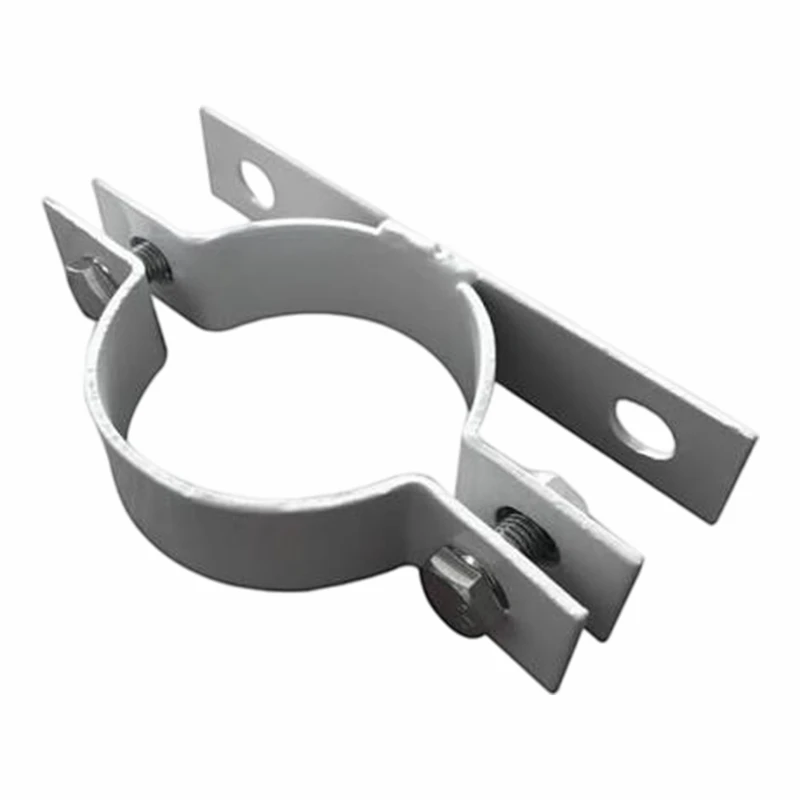
Now, let’s talk about how our adjustable flange leak repair clamps actually work – the practical, non-lab version. Most quality adjustable clamps (the ones we design and sell) have a couple of key features that let you tweak them to fit different gaps. First, the clamping band itself isn’t a solid, rigid piece; it’s made of a flexible steel that can stretch a little, but more importantly, it has multiple bolt points that let you adjust the tension around the flange. Wait, and some have removable seal spacers – that’s a game-changer. If your gap is smaller than the maximum the clamp’s rated for, you can swap out thicker spacers for thinner ones to take up extra space, or add thinner spacers if the gap is bigger. I’ve seen guys on job sites rig this with random washers, but our clamps have purpose-built spacers so you don’t have to jerry-rig something that might fail mid-repair.
But here’s a critical point: adjustability has limits. No clamp can fix a gap that’s way too big, like if a flange is cracked so bad there’s a 2-inch gap. Our standard flange repair clamps are rated for gaps up to 1/2 inch, and heavy-duty ones go a little higher, maybe 5/8 inch, but that’s it. If your gap is bigger than that, you’re not dealing with a minor misalignment – that’s a structural issue, and a clamp won’t hold. That’s why we always ask customers to measure the gap first, all the way around the flange, before picking a clamp. You don’t want to show up to a repair with a clamp that’s only rated for 1/4 inch and your gap’s 3/8 inch – that’s a waste of time and money.
Wait, let’s test this with a real example because I know numbers are boring, but this matters. Last quarter, we had a customer at a chemical plant call us panicking because a 6-inch steam flange had a 3/8-inch uneven gap – some spots were 1/4, some were 1/2. He’d grabbed a cheap off-the-shelf clamp that only did up to 1/4 inch, and it was leaking within an hour. He ordered our adjustable flange clamp, swapped the spacers to match the widest gap spot, cranked the bolts evenly (we include a little torque guide that’s super simple, not a 10-page manual), and it held for 3 months straight, even through the plant’s weekly thermal cycles. That’s exactly why adjustability isn’t just a nice feature – it’s the difference between a quick fix and a costly redo.
Now, you might be wondering, do adjustable clamps only work for flanges? No, actually, a lot of our customers mix and match depending on the job. If you’ve got a pipe that’s not a flange leak, like a small pinhole or a crack along the pipe itself, you might check out a Steel Pipe Repair Clamp that’s built for general pipe damage, no flange involved. Or if you need something that’s heavy-duty for industrial pipes carrying high pressure, a Heavy-duty Pipe Repair Clamp would be better because it has thicker bands and higher pressure ratings, even with adjustable gap features. For smaller jobs, like under-sink plumbing leaks, our Plumbing Repair Clamps are designed with compact adjustability that fits tight spaces under sinks, which is perfect for residential techs. And if you need something you can install fast without special tools, the Quick-repair Pipe Clamp has pre-adjusted slotting that lets you tweak gaps in 2 minutes, no torque wrench needed – we see those go like hotcakes for emergency call-outs. Wait, and if you’re dealing with a socket-type pipe joint instead of flanges, we’ve got the Pipe Socket Repair Clamp, which has its own gap adjustability built for that specific joint style. We link these out if you want to check different options for non-flange jobs, but today we’re focused on flange gaps, so back to that.
A common mistake people make when adjusting these clamps is cranking one bolt all the way before moving to the next. That’s how you get an uneven clamp, which ends up leaking again, or even damaging the flange more. The right way to adjust (and this is something we teach all our customers, but it’s easy to forget) is to start with the bolts at the top and bottom, tighten them just enough to seat the clamp, then move to the left and right, going back and forth around the flange in a star pattern. That way, the tension is even all the way around, so it can compensate for that uneven gap without pulling too hard on one side. Also, don’t over-tighten – most flanges are not made to take extra pressure from a clamp bolted too tight. If you feel the flange start to bend, you’ve gone too far, and that’ll create more gaps, not fix them.
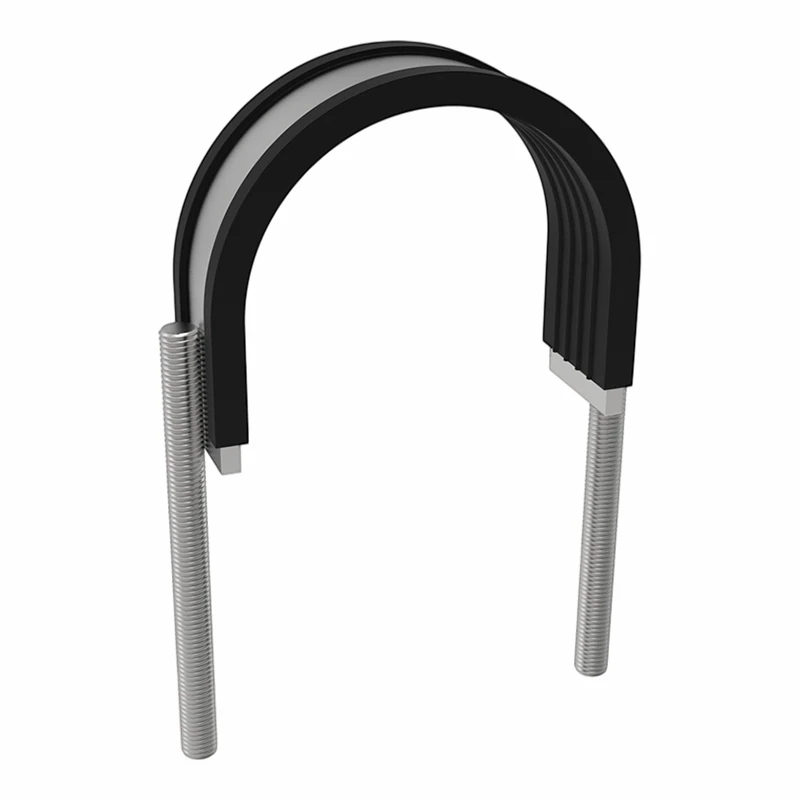
Another thing to consider: material. If you’re working with a pipe that carries corrosive fluids, like wastewater or chemicals, an adjustable clamp made of regular steel might not hold up. We offer stainless steel adjustable flange clamps for those jobs, which can handle higher temperatures and corrosion, and their adjustability works the same as the standard ones – no extra steps needed. That’s important because if your gap is from a corroded flange, the clamp material needs to match the environment so the repair lasts.
Wait, let’s get back to that original question, because I want to make sure we’re not leaving anything out. So to answer it clearly: Yes, most quality flange leak repair clamps (the adjustable kind) can be adjusted for different flange gaps, but only within their rated gap limit. You can’t make a clamp built for a 1/4-inch gap work on a 1-inch gap – that’s asking for trouble. The adjustability usually comes from flexible clamping bands, interchangeable spacers, and evenly spaced bolt points that let you tune the clamp to fit the specific gap of your flange, even if it’s uneven around the circumference. That’s why when we’re designing these, we test each clamp with different gap sizes to make sure they seal, not just fit. We do field tests too, not just lab tests, because we know real-world gaps are never perfect like textbook examples.
I’ve seen so many people waste money on clamps that don’t adjust, or try to force a clamp that’s too small, and end up paying more for a second repair. The key takeaway here is: first, measure your flange gap carefully all the way around (use a feeler gauge, it’s like a cheap tool that makes this super easy), then pick an adjustable flange leak repair clamp that has a rated gap limit that matches your measurement. Don’t guess, don’t try to make something work that’s not built for it.
Now, if you’re out there on a job right now staring at a flange gap that’s not fitting your current clamp, or you’re planning for upcoming repairs and want to make sure you have the right tool, hit us up. We don’t do fancy corporate sales pitches, just real guys who know these clamps inside and out, and can help you pick the right one, whether it’s for a small residential plumbing job or a big industrial plant repair. No pressure, no weird hoops to jump through, just honest advice.
Wait, one last thing to clear up a myth: some people think adjustable clamps are less durable than non-adjustable ones. That’s not true. The adjustable ones we make use the same high-grade steel, same pressure ratings, same seal materials (we use EPDM and nitrile gaskets that handle hot and cold, water, steam, whatever) as our fixed-gap clamps. The only difference is the adjustability feature, which is designed to adapt to flange gaps, not weaken the clamp. We’ve had clamps in operation for 5+ years that are still sealing great, all because they were adjusted correctly to fit the flange gap at install.
At the end of the day, flange leaks are a pain, but the right adjustable clamp makes them way easier to fix. It’s not a perfect solution for every gap, but it’s the go-to for 90% of the flange leak issues we see. If you have questions about what clamp would work for your specific gap, or want to order, just reach out. We’re here to help, not just sell you a product.
References
- American Water Works Association. (2020). Flange Joint Leak Repair Best Practices. AWWA Manual M12.
- Plastics Pipe Institute. (2022). Adjustable Clamp Performance for Pipe Joint Repair. PPI Technical Report TR-31.
- Occupational Safety and Health Administration. (2021). Process Piping Leak Repair Guidelines for Industrial Facilities. OSHA 3505-15.
Wait, before I sign off, quick shoutout to all the contractors and maintenance teams out there working late to fix leaks before they become bigger problems. We see you, and our clamps are built to make your job a little easier. If you need links to any of the other clamp types I mentioned earlier, just follow these: Steel Pipe Repair Clamp, Heavy-duty Pipe Repair Clamp, Plumbing Repair Clamps, Quick-repair Pipe Clamp, Pipe Socket Repair Clamp. They’re all on our site, if you want to check them out for other repair needs. Thanks for reading, and happy fixing!