

Hey everyone, it’s Jake here, the owner of a clamping band supply company—you know, the guy who gets late-night texts from plumbers panicking about a pipe leak or a farmer needing to fix a water line out in the middle of a field. Today I wanna answer a question I get ALL the time: Can I use a clamping band with a soft material surface?
Let’s cut to the chase first—yes, you can, but only if you do it right. I’ve seen so many folks mess this up, and honestly, most of the time it’s because they’re using the wrong band or skipping a tiny step that makes all the difference. Soft surfaces—think rubber hoses, silicone gaskets, even those flexible PE pipes people love for plumbing or outdoor irrigation—aren’t like hard steel or PVC. If you clamp down on ’em the same way you would on a rigid pipe, you’ll either crush the soft material (and cause a new leak) or not get a tight enough seal (so the original leak sticks around). Let’s break this down like we’re chatting over a coffee, no super technical jargon, just real-world stuff I’ve dealt with for years.
First, let’s talk about why soft surfaces are tricky. Hard materials (like steel pipe, concrete) are pretty unforgiving—they don’t deform much when pressure’s applied. A standard clamping band (you know, the metal ones with the screw that tightens it around something) will sit flush against them, distribute pressure evenly, and hold. But soft materials? They compress. A lot. If you crank that band too tight, you’ll squish the hose flat, kink it, or even punch a hole through. Too loose, and you’ve got gaps where leaks can sneak in. It’s a balance, but the good news is there’s a simple fix if you use the right band for the job.
Wait, let’s backtrack for a second. What kind of soft surfaces are we talking about here? Most common ones in the clamping band world are rubber hoses (like those for car radiators or lawn equipment), silicone seals, flexible PE pipes—those are the ones that get crinkly if you bend ’em too much, right? And if you’re dealing with a PE pipe leak, for example, the band you use can make or break the repair. I’ve sent out tons of our Repair Clamp for PE Pipes over the years, and that thing’s built exactly for soft, flexible surfaces like that. It has a wider sealing surface than a standard band, so the pressure’s spread out instead of concentrated into a tiny line. That way, you don’t crush the PE pipe, but you still get a tight seal that stops the leak—no more spraying water all over the job site.
Let me tell you a quick story to drive this home. Last spring, a customer came to me in a panic—his farm’s irrigation line, which is all flexible PE, had a crack from a lawnmower mishap. He tried using a regular old metal clamp he had in his toolbox, but it crushed the PE pipe so bad the line wouldn’t even carry water. He picked up our Repair Clamp for PE Pipes instead, followed the simple steps (tighten the screw until it’s snug, then a quarter turn more—no overdoing it), and fixed that line in 10 minutes. Called me an hour later saying his whole field got watered, no more leaks. That’s the kind of win we live for.
Now, what if it’s not a PE pipe? What if it’s a rubber hose for a plumbing job, or a flange that’s leaking on a steel pipe with a soft gasket? I get that too. For plumbing, our Quick-repair Pipe Clamp is perfect for soft surfaces like rubber hoses or even thin plastic pipe. It’s got a rubberized lining inside the metal band, so it’s softer against the material you’re clamping, and it conforms a little to the soft surface instead of just digging in. We also have Steel Pipe Repair Clamp for when you’re working with steel but have a soft gasket (like a neoprene seal) at the joint—those clamps are designed to handle both the rigid pipe and the soft seal material without crushing either.
Wait, let’s address the biggest mistake I see people make: skipping the liner or using the wrong band. Some guys will grab a standard worm-drive clamp and just crank it as tight as it goes when dealing with soft stuff. That’s a no-go. Worm-drive clamps work great for hard surfaces, but their narrow band width means all the pressure is in a small area, which crushes soft materials. For soft surfaces, you want a band that’s wider—like 2 inches or more—and has a padded or rubberized interior that acts as a buffer. That’s why all our clamps for soft surfaces have that lining; it’s not just a extra part, it’s the whole point.
Another thing to consider: the type of soft material. Silicone is softer than rubber, right? So you need a band with a softer lining for silicone than you would for regular EPDM rubber. If you use a stiff metal lining on silicone, you’ll still get that concentrated pressure and crush the silicone. We’ve got Plumbing Repair Clamps that come with different lining options, so you can match the lining hardness to the soft material you’re working with. That’s a small detail, but it makes all the difference— I’ve had guys come back saying their silicone hose repairs held for years, and that’s why.
What about when there’s a leak at a flange, which has a soft gasket between two metal flanges? That’s another common soft surface scenario. A lot of people think “oh, it’s metal flanges, so use a steel pipe clamp” but no— the gasket is soft, so you need a Flange Leak Repair Clamp that’s designed to fit over the flange and apply even pressure around the soft gasket without compressing it too much. We’ve had a few industrial customers tell us these are a game-changer for their pipe systems, since flange leaks are such a pain to fix and most standard clamps don’t handle the gasket properly.
Wait, let’s talk about pressure, because that’s tied right into clamping soft surfaces. If the soft material is under high pressure, you can’t just tighten the band until it feels right—you need a band that’s rated for that pressure. For example, a garden hose is low pressure, so a basic clamp works, but an irrigation line that’s 60 PSI? You need a heavy-duty clamp with a wide band and a good lining, otherwise the pressure will push the soft material away from the seal, and you’ll get a leak. I always tell customers to check the pressure rating of their system, then pick a clamp that matches or exceeds that—no cutting corners here.
Let me also clear up a common myth: some people think using a clamping band on a soft surface is only for temporary fixes. No way—we’ve got customers who’ve used our clamps on soft surfaces that are now in use for 5+ years, no leaks, no issues. The key is using the right clamp, installing it correctly, and not over-tightening. Over-tightening is the enemy of soft materials—so start by hand-tightening the screw until the band is snug, then use a wrench to turn it just one more quarter turn. That’s it. Any more, and you risk crushing the material; any less, and you won’t get a seal.
I should also mention when you might NOT want to use a clamping band on a soft surface. Wait, is there a case? Maybe if the soft surface is really thin and flexible, like a plastic trash bag or something, but that’s not what we’re talking about here. If you’re dealing with a pipe, hose, or gasket that’s part of a functional system (plumbing, irrigation, industrial piping), a clamping band with the right setup works perfectly. The only other exception is if the soft surface is already damaged beyond repair—like a hose that’s cracked all the way through in 5 different spots—then replacing the hose is better than clamping. But for small leaks or loose joints, clamping is way cheaper and faster than replacing the whole line.
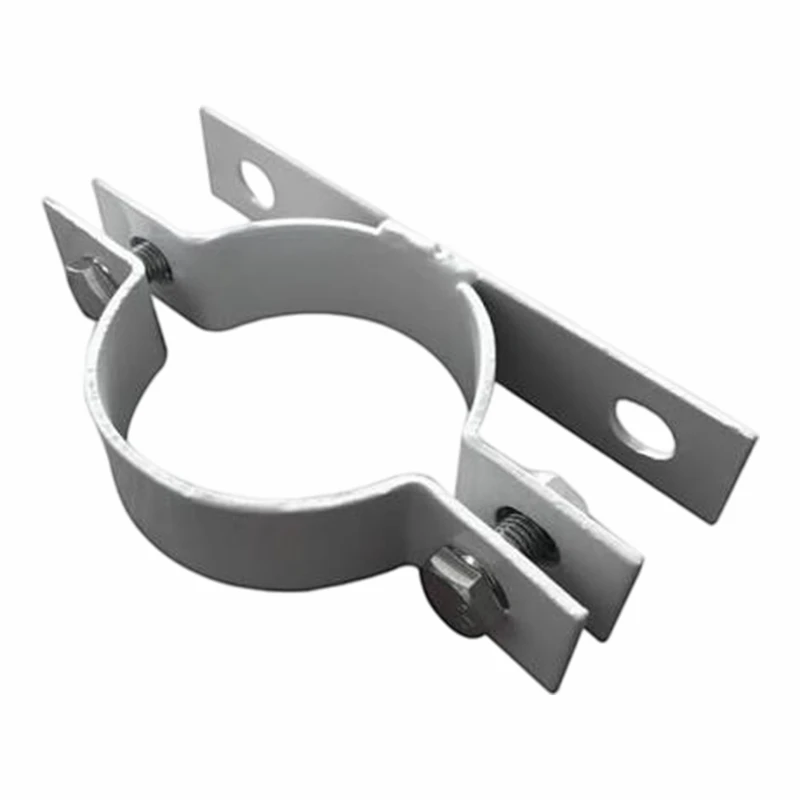
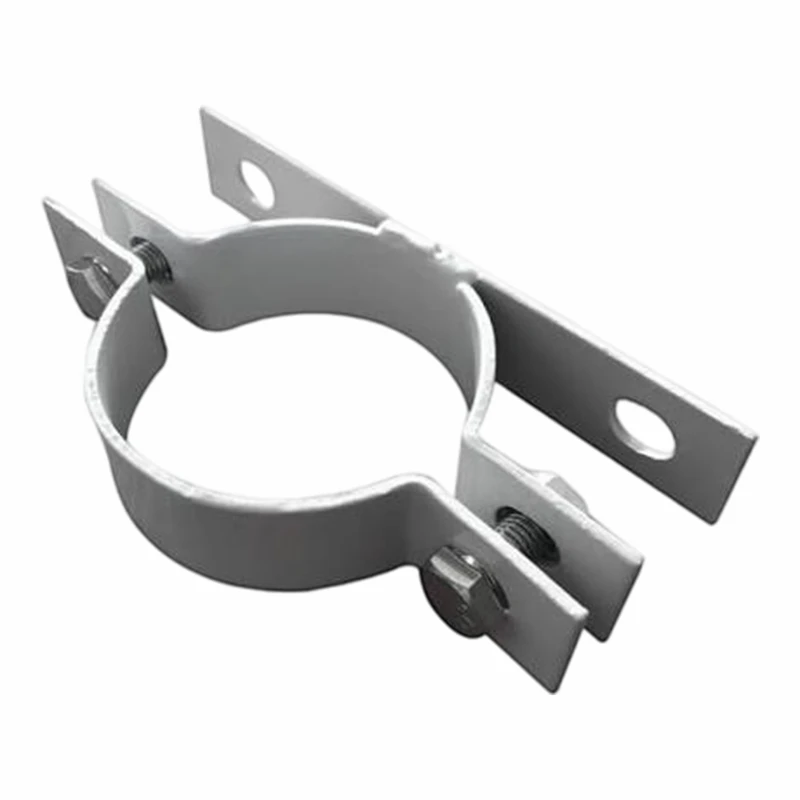
Now, let’s get back to the practical stuff. If you’re not sure which clamp to use for your soft surface, here’s a quick checklist:
- What’s the soft material? (PE pipe? Rubber hose? Silicone gasket?)
- What’s the diameter of the thing you’re clamping?
- What’s the pressure rating of the system?
- Is this a pipe repair, a hose clamp, or a flange leak fix?
If it’s a PE pipe leak, grab our Repair Clamp for PE Pipes. If you’re doing plumbing, our Quick-repair Pipe Clamps or Plumbing Repair Clamps will work. For steel pipes with soft gaskets, Steel Pipe Repair Clamps are solid. And if it’s a flange leak, definitely our Flange Leak Repair Clamp—those are built exactly for that soft gasket between metal flanges. I’ve linked all these in case you wanna check ’em out, see the specs, or even look at installation videos—no fine print, just real info.
Wait, I almost forgot to talk about installation tips, because even the best clamp won’t work if you install it wrong. First, clean the area where the clamp goes—get rid of dirt, rust, or any leftover debris. That goes for hard or soft surfaces, but it’s extra important for soft ones because debris can create gaps in the seal. Then, position the clamp so it covers the leak or the joint evenly—don’t slide it half on the pipe and half off. Then tighten it like I said earlier: hand snug, then a quarter turn with a wrench. Don’t use a screwdriver or pliers to crank it—you’ll strip the screw or over-tighten the band, which ruins the soft surface.
Another thing: temperature. Soft materials like rubber and silicone can get soft when it’s hot, so you might need to back off the tighten a little if you’re installing in 90-degree weather. Conversely, if it’s cold, the material is stiffer, so you can tighten a tiny bit more, but still no cranking. That’s another small detail most people don’t think about, but it’s why some repairs work great in winter but leak in summer—they didn’t adjust for temperature.
Let me wrap this up with a real takeaway, since that’s what this blog is about. The short answer to “Can I use a clamping band with a soft material surface?” is a resounding YES—if you use the right clamping band for the job. Standard bands work for hard surfaces, but soft ones need a wide band with a padded, pressure-distributing lining, and you have to avoid over-tightening. I’ve fixed hundreds of soft surface issues with our clamps, and I’ve seen customers save thousands of dollars by not replacing whole pipes or hoses when a simple clamp works.
If you’re working on a project right now and not sure which clamp you need, don’t guess—hit up our team. We’ll ask you a few quick questions (what material, diameter, pressure, what you’re fixing) and point you to the exact clamp that’ll work. No salesy stuff, just straight answers, since we’ve been in this long enough to know that a happy customer is one who doesn’t have to call us back a week later with a leaky clamp.
Before I go, a quick note for the nerds out there (I’m one, so no judgment) who wanna dig a little deeper into the science of clamping soft surfaces. I found a few good resources over the years—like the 2021 study on flexible pipe sealing from the Journal of Pipeline Systems Engineering and Practice, which talked about pressure distribution in soft materials. Also, the American Water Works Association’s (AWWA) guide to clamp repairs for pressurized piping has solid info on matching clamps to soft gasket and pipe materials. But for most folks, the practical tips I mentioned here are all you need to get the job done right.
Thanks for hanging out and reading this—next time you’re staring at a leaky soft pipe or hose, remember: a good clamping band is your friend, as long as you pick the right one. Catch you later, and don’t forget to clean that surface before you clamp!
References:
- Journal of Pipeline Systems Engineering and Practice. (2021). Pressure Distribution of Clamping Bands on Flexible Pipe Surfaces. American Society of Civil Engineers.
- American Water Works Association. (2020). Guide to Clamp Repairs for Pressurized Piping Systems. AWWA Manual M28.
- Rubber Chemistry and Technology. (2019). Compression Behavior of Elastomeric Materials Used in Pipe Seals. Volume 92, Issue 3.